
Table of Contents
From a Humble Knob to a Thriving Oasis: Your Guide to a Bountiful Ginger Garden
There’s a certain magic in nurturing a plant from a simple, unassuming root to a flourishing, fragrant addition to your garden and kitchen. And when it comes to a plant that offers both stunning tropical foliage and a zesty, pungent harvest, look no further than ginger. Forget the sad, shriveled rhizomes at the grocery store; we’re diving into the soul-satisfying journey of creating your very own ginger garden.
This isn’t just about planting a spice; it’s about cultivating a little slice of paradise, a green sanctuary that tantalizes the senses and rewards you with the freshest, most flavorful ginger you’ve ever tasted. Whether you have a sprawling backyard or a sunny little balcony, a thriving ginger garden is well within your reach Ginger Garden.
The Allure of the Ginger Garden: More Than Just a Spice
Long before you even think about digging up the rhizomes, the ginger plant itself is a stunning addition to any garden space. It brings a touch of the exotic, transforming a humble corner into a lush, verdant sanctuary Ginger Garden.
- Lush, Tropical Foliage: The most immediate visual reward is the foliage. Ginger plants produce tall, elegant, reed-like stalks that can grow several feet high. From these stalks unfurl vibrant green, glossy leaves that have a beautiful lance-like shape Ginger Garden. A cluster of ginger plants creates a dense, jungle-like effect, adding texture, depth, and a vibrant splash of green that serves as a beautiful backdrop for other flowering plants Ginger Garden.
- Surprising and Unique Flowers: While many people grow ginger solely for the root, they are often surprised to learn that many varieties produce spectacular flowers. Depending on the type of ginger, these blossoms can be incredibly intricate and colorful. For example, the common culinary ginger (Zingiber officinale) can produce a cone-like flower head with delicate, cream-colored and purplish, orchid-like flowers. Other ornamental varieties, like Beehive Ginger (Zingiber spectabile) or Torch Ginger (Etlingera elatior), produce some of the most dramatic and architecturally stunning flowers in the plant kingdom. These blossoms add an unexpected and exotic flair to the garden Ginger Garden.
An Aromatic Sanctuary: A Treat for the Nose
A ginger garden engages more than just your sense of sight. Step into your garden on a warm, humid evening, and you’ll be greeted by a subtle, clean, and spicy fragrance that hangs in the air around the plants Ginger Garden.
- Fragranced Leaves: Gently brushing against the leaves releases a faint, spicy scent that is both refreshing and invigorating. This ambient aroma contributes to a calming and immersive garden atmosphere, making it a more engaging and sensory space to relax in Ginger Garden.
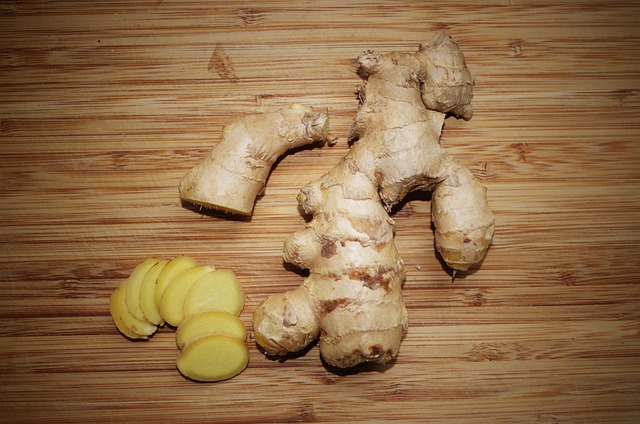
- The Scent of the Harvest: The true aromatic magic happens when you harvest. The moment you unearth a rhizome, the air is filled with that unmistakably pungent, sharp, and zesty aroma of fresh ginger. It’s a scent that’s alive and potent, a world away from the dried, dormant smell of a root that has traveled miles and sat on a shelf. This powerful scent is a direct and immediate reward for your gardening efforts Ginger Garden.
From Garden to Table: The Culinary Supremacy of Fresh Ginger
While the garden experience is an allure in itself, the culinary benefits of homegrown ginger are undeniable and profound. The difference in quality between a freshly dug rhizome and a store-bought one is staggering Ginger Garden.
- Unparalleled Flavor and Potency: Freshly harvested ginger has a crisp, juicy texture and a flavor that is intensely aromatic, complex, and fiery. The notes are brighter, more citrusy, and carry a clean heat that store-bought ginger, which has often begun to dry out and become more fibrous, simply cannot match. This heightened potency means you can use less while achieving a much richer flavor profile in your cooking Ginger Garden.
- The “Young” Ginger Experience: When you have a ginger garden, you also have access to “young” or “baby” ginger. This is ginger that is harvested early, before it develops its tough outer skin and fibrous texture. Young ginger is incredibly tender, mild, and has a translucent, pink-tinged skin that is edible. It’s a delicacy that is rarely available commercially and can be used for pickling, candying, or slicing directly into salads and cocktails Ginger Garden.
A Potion from the Patch: Health and Wellness in Your Backyard
For centuries, ginger has been revered for its medicinal properties. Having a fresh, organic supply in your backyard puts this natural pharmacy at your fingertips Ginger Garden.
- Purity and Potency: Homegrown ginger is free from the pesticides and chemical treatments that may be used in large-scale commercial farming. You have complete control over what goes into the soil, ensuring the rhizomes you harvest are as pure and potent as possible Ginger Garden.
- Immediate Access to Natural Remedies: Feeling a bit nauseous? A soothing tea made from a freshly cut slice of your own ginger can bring immense comfort. Feeling the onset of a cold? A warm ginger infusion can help soothe a sore throat and clear congestion. The active compounds in ginger, like gingerol, are most potent when the ginger is fresh, making your homegrown supply a powerful ally for digestive health, reducing inflammation, and boosting your immune system Ginger Garden.
The Gardener’s Reward: The Joy of Cultivation
Beyond the visual, aromatic, and culinary benefits lies a deeper, more intangible allure: the simple, profound satisfaction of cultivation Ginger Garden.
- A Connection to Your Food: Growing your own ginger fosters a powerful connection to your food source. It’s a journey that transforms a simple, gnarled knob into a thriving plant and a flavorful spice. This process demystifies where your food comes from and instills a greater appreciation for the natural world Ginger Garden.
- The Thrill of the Harvest: There is a unique and primal joy in digging in the earth and unearthing your own food. The excitement of gently loosening the soil to reveal the golden, branching rhizomes is a rewarding culmination of months of care and patience. It’s a tangible result of your nurturing efforts, a treasure hunt where you are guaranteed to find gold Ginger Garden.
Before we get our hands dirty, let’s talk about why a ginger garden is such a rewarding endeavor. The sight of the vibrant, spear-like leaves reaching for the sun is a joy in itself. The air on a warm evening, carrying the subtle, spicy fragrance of the ginger plant, is a delight. And then there’s the harvest – the thrill of unearthing those gnarled, golden rhizomes, knowing you grew them yourself Ginger Garden.
Beyond the aesthetics, homegrown ginger boasts a flavor and potency that store-bought simply can’t match. The fresh, zesty notes will elevate your culinary creations, from soothing teas and zesty stir-fries to marinades and baked goods. Plus, you’ll have the peace of mind of knowing exactly what went into your food – no pesticides, no unknown chemicals, just pure, homegrown goodness.
Designing Your Ginger Haven: From Pots to Paradise
Creating a ginger garden isn’t just about finding a patch of dirt; it’s about thoughtfully designing a space that is both beautiful and productive. Ginger’s lush, tropical appearance makes it a versatile player in the garden design world. You don’t need a sprawling estate to create a personal paradise; your ginger haven can flourish on a sunny balcony, a narrow garden path, or a dedicated bed. The key is to match your design to your space, your climate, and your personal style. Let’s explore how you can transform any area from simple pots to a veritable paradise.
The Foundation: Understanding Ginger’s Needs in Design
Before you start sketching designs, remember ginger’s basic requirements, as these will guide your plans. Ginger thrives in:
- Partial Shade or Dappled Sunlight: Ideally, it needs protection from the harsh, direct afternoon sun, which can scorch its leaves. A spot with morning sun is perfect.
- Rich, Well-Draining Soil: The rhizomes need room to expand in soil that stays consistently moist but never waterlogged.
- Warmth and Humidity: As a tropical plant, it loves a warm environment.
With these needs in mind, you can choose the perfect location and design to help it flourish.
1. The Container Oasis: A Moveable Feast
For those with limited space, a passion for patios, or living in climates with harsh winters, growing ginger in containers is the perfect solution. A container garden is a “moveable feast,” allowing you to rearrange your oasis on a whim and bring your plants indoors to overwinter.
- Why Containers Work:
- Space Efficiency: You can grow a surprising amount of ginger on a small balcony, deck, or patio.
- Soil Control: It’s easy to create the perfect rich, well-draining soil mix that ginger loves, without having to amend a large garden bed.
- Portability: You can move the pots to follow the sun, protect them from extreme weather, or bring them indoors when temperatures drop below 50°F (10°C).
- Pest and Disease Management: Isolating plants in pots can make it easier to manage any potential issues.
- Designing Your Potted Paradise:
- Go Big on Pots: Ginger rhizomes spread horizontally. Choose a wide, relatively shallow pot rather than a deep, narrow one. A pot that is at least 12-15 inches in diameter and 12 inches deep is a good starting point for a single rhizome piece. Fabric grow bags are also an excellent, breathable option.
- Create Visual Layers: Don’t just line up identical pots. Play with different sizes, colors, and materials (terracotta, glazed ceramic, modern composites). Group pots in clusters of three or five, using a taller pot in the back and shorter ones in the front to create depth and a more natural, less rigid look.
- Elevate Your Ginger: Use plant stands of varying heights to lift some of your ginger pots. This not only adds visual interest but also improves air circulation around the plants.
2. The Edible Border: A Path of Flavor and Foliage
Why relegate your edibles to a hidden corner? Ginger’s beautiful, upright foliage makes it a fantastic choice for an edible landscape design, particularly as a border plant.
- Why It Works as a Border:
- Aesthetic Appeal: The tall, bright green, reed-like stalks create a lush, living fence along a pathway, driveway, or the edge of a larger garden bed. It provides a soft, tropical texture that contrasts beautifully with paving stones or other, more traditional border plants like boxwood.
- Easy Access: Planting ginger along a path makes it incredibly convenient to harvest a small piece for your evening meal without having to tramp through a larger garden bed.
- Designing Your Edible Edge:
- Mass Planting: For a dramatic effect, plant a dense row of ginger. Space the rhizome pieces about 8-10 inches apart. As they grow, their leaves will intermingle, creating a seamless, vibrant green wall of foliage that can reach 2-4 feet in height.
- Alternating Textures: Pair ginger with other plants in your border to create a tapestry of textures and colors. The fine, feathery foliage of asparagus, the broad leaves of hostas (in shadier spots), or the colorful stems of Swiss chard can all be beautiful partners for ginger’s upright leaves.
3. The Tropical Corner: Your Lush, Green Escape
If you have a bit more space, you can dedicate a corner of your yard to a full-blown tropical-themed garden with ginger as a star player. This design aims to create a dense, layered, and immersive experience—a mini-jungle that feels like a private escape.
- Creating the Jungle Effect:
- Layering is Key: A successful tropical design relies on layering plants by height. Use taller plants like canna lilies or banana plants as the “canopy” or backdrop. The mid-layer is where your ginger will shine, its 2-4 foot stalks filling the space. The foreground can be filled with lower-growing, shade-loving plants like caladiums, hostas, or creeping ground covers.
- Play with Leaf Shapes: The secret to a lush look is variety. Combine the spear-like leaves of ginger with the massive, paddle-shaped leaves of elephant ears (Colocasia or Alocasia), the intricate patterns of caladiums, and the delicate fronds of ferns. This variety in form and texture is what makes a tropical garden so visually captivating.
- Choose the Right Companions: Select companion plants that enjoy the same conditions as ginger—dappled light, rich soil, and consistent moisture. Good companions include:
- Canna Lilies: Share a similar tropical look and enjoy the same conditions.
- Elephant Ears: Provide dramatic, oversized foliage.
- Lemongrass: Adds a different grassy texture and a wonderful citrusy aroma.
- Turmeric: A relative of ginger, it has similar growth habits and beautiful, broad leaves.
- Peas or Beans: As legumes, they can be planted nearby to fix nitrogen in the soil, benefiting the heavy-feeding ginger.
Your ginger garden can be as simple or as elaborate as you wish. Here are a few ideas to get your creative juices flowing:
- The Container Oasis: Perfect for urban gardeners or those with limited space. A collection of large pots filled with ginger plants can transform a patio or balcony into a lush, tropical retreat. Choose pots that are at least 12 inches wide and deep to give the rhizomes ample room to spread.
- The Edible Border: Line a garden path or a flower bed with a border of ginger plants. Their upright growth habit and vibrant green leaves create a stunning, natural edge.
- The Tropical Corner: Pair your ginger with other tropical-looking plants like canna lilies, elephant ears, or lemongrass to create a dense, jungle-like corner in your garden. The different textures and heights will create a visually stunning display.
Getting Your Hands Dirty: A Step-by-Step Guide to Planting
Ready to start your ginger adventure? Here’s what you’ll need to do:
1. Choosing Your Ginger: Start with a plump, healthy ginger rhizome from an organic grocery store or a garden center. Look for a piece with several “eyes” or buds – these are the points from which the new shoots will grow.
2. The Perfect Spot: Ginger thrives in a warm, humid environment with partial shade. A spot that receives morning sun and afternoon shade is ideal. If you live in a hotter climate, more shade will be necessary to protect the leaves from scorching.
3. Soil Preparation: Ginger loves rich, well-draining soil. If you’re planting in the ground, amend your soil with plenty of compost or well-rotted manure. For container planting, use a high-quality potting mix and add a handful of perlite or sand to improve drainage.
4. Planting Time: The best time to plant ginger is in the early spring after the last frost has passed. Cut your ginger rhizome into pieces, ensuring each piece has at least one or two eyes. Allow the cut surfaces to dry and form a callus for a day or two before planting. Plant the pieces about 2-4 inches deep with the eyes pointing upwards.
Nurturing Your Ginger: Tender Loving Care
Ginger is a relatively low-maintenance plant, but a little care will go a long way in ensuring a bountiful harvest.
- Watering: Keep the soil consistently moist but not waterlogged. Ginger doesn’t like to have its feet wet, as this can lead to root rot. Water deeply once or twice a week, depending on the weather.
- Feeding: Ginger is a heavy feeder. Feed your plants with a balanced liquid fertilizer every few weeks during the growing season.
- Pest and Disease Control: One of the great things about growing ginger is that it’s naturally resistant to many pests and diseases. The biggest threat is root rot from overwatering.
The Grand Finale: Harvesting Your Golden Treasure
The moment you’ve been waiting for! Your ginger will be ready to harvest in about 8-10 months when the leaves start to turn yellow and die back. You can harvest a small piece of the rhizome at a time without disturbing the whole plant, or you can harvest the entire clump at once.
To harvest, gently loosen the soil around the plant and lift the rhizomes out. Shake off the excess soil and behold your beautiful, homegrown ginger!
Storing Your Harvest
You can use your fresh ginger right away, or you can store it for later use. To store, you can:
- Refrigerate: Place unpeeled ginger in a resealable plastic bag and store it in the crisper drawer of your refrigerator for a few weeks.
- Freeze: Grate or slice the ginger and store it in an airtight container in the freezer for several months.
Creating a ginger garden is a journey of patience and reward. It’s a chance to connect with the earth, to create something beautiful and delicious with your own two hands. So go ahead, find a sunny spot, plant a humble knob of ginger, and watch as it transforms into your very own thriving oasis. Happy gardening!